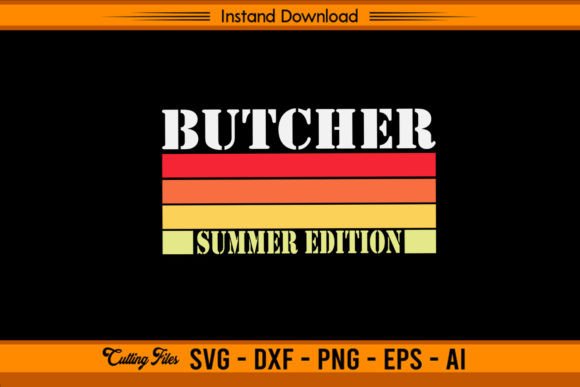
Butcher Summer Edition: An Embroidery Review
First Impressions: Bold Graphics for Stitch Translation
As a designer who spends equal time behind a digitizing screen and at an embroidery machine, I approach every new graphic with a specific question: will this actually stitch out well? When evaluating the Butcher Summer Edition, my immediate focus is on how these digital assets translate from screen to fabric. Marketed primarily as T-Shirt Designs and Graphics for cutting machines like Cricut or Silhouette, this collection possesses a bold, rustic aesthetic that naturally lends itself to textile arts. The visual personality here is distinct—it evokes backyard barbecues, artisanal markets, and summer gatherings. For an embroidery designer, this mood is gold because it targets a specific niche of customers looking for handmade products with character rather than generic clip art.
However, because these are originally SVG and PNG cutting files, we must view them through the lens of adaptation. A vector file designed for vinyl does not always equate to a perfect machine embroidery design without modification. My first impression is positive regarding the layout; the shapes appear substantial enough to support satin stitch borders or fill stitch interiors without becoming muddy. The "Summer Edition" aspect suggests lighter, airier motifs which is crucial when considering stitch density on warm-weather apparel. As digital product sellers and creative entrepreneurs, recognizing the difference between a print-ready graphic and an embroidery-ready asset is the first step toward creating a professional finished product.
Real-World Application: Stitching a Custom BBQ Apron
To truly judge the viability of Butcher Summer Edition, I mentally placed it into a real-life scenario: creating a premium custom apron for a local butcher shop owner hosting a summer sausage-making workshop. This isn't just a hobby project; it is a commercial embroidery test where durability and legibility matter. Aprons are typically made of canvas or heavy twill, providing a stable base, but they also endure high heat, grease, and frequent industrial washing.
In this context, the graphics from Butcher Summer Edition would serve as excellent applique design foundations. Rather than stitching out thousands of fill stitches which can make an apron stiff and bulletproof, I would use the SVG outlines to cut fabric pieces for appliqué. This reduces stitch count significantly while maintaining the bold visual impact required for small shop product branding. If I were to embroider this directly, I would prioritize open running stitch details over dense satin columns to maintain the fabric's drape. For Etsy sellers and makers targeting the culinary niche, this design theme bridges the gap between rugged utility and boutique charm. It transforms a standard kitchen towel or tote bag design into a personalized gift that feels intentional and professionally curated.
Navigating Fabric Challenges and Hoop Limitations
While the aesthetic is strong, practical execution requires caution. Because Butcher Summer Edition originates as graphics for cutting machines, users must be vigilant about scaling. In embroidery, resizing a design too small can cause tiny lettering to disappear or detailed corners to pucker. I advise checking your hoop size before committing to a placement. If you are working with small hoop sizes, such as a 4x4 field, you may need to isolate specific elements of the design rather than forcing the entire composition.
Fabric texture plays a massive role in how these graphics perform. On smooth cotton t-shirts, the design will likely render crisply. However, if you are attempting sweatshirt embroidery on fleece or french terry, the fabric's pile can swallow fine details. In these cases, using a water-soluble topping is non-negotiable to keep the stitches visible. Stretchy fabrics present another challenge; since these files are not native embroidery files with built-in pull compensation, you must rely heavily on proper stabilizer choices. A cut-away stabilizer is essential for knit garments to prevent the design from distorting during wear and washing. Dark fabrics also require testing; ensure your thread colors offer sufficient contrast against the garment, as the original PNG files might have been designed for light backgrounds. Always verify licensing terms before selling finished items, especially if adapting digital assets meant for cutting into commercial embroidery projects.
Elevating Product Value Through Professional Execution
The difference between a craft fair flop and a best-selling Etsy listing often lies in presentation and perceived value. Using Butcher Summer Edition effectively can significantly boost buyer engagement, but only if the execution screams quality. Customers trust handmade products that look durable and intentional. If the stitch density is too high, causing the shirt to warp, or if the design looks pixelated because it was improperly digitized from a low-res PNG, that trust evaporates.
Conversely, when adapted correctly, these designs enhance brand consistency for apparel decorators. Imagine a cohesive line of baby embroidery bibs and matching nursery decor pillows utilizing the same summer butcher motif. This cross-product recognition builds a loyal customer base. For those creating printable mockups to sell digital embroidery files derived from these graphics, clarity is key. Your mockups must accurately represent how the stitch types interact with the fabric. Professionalism in this niche means acknowledging the limitations of the source material and enhancing it for the medium. Whether you are making holiday gifts or boutique merchandise, the goal is to make the recipient feel the care put into the selection and application of the design.
Essential Designer Notes for Success
Before you load Butcher Summer Edition into your software or machine, run through this practical checklist to ensure your project succeeds:
- Test on Scrap Fabric First: Never stitch a new adaptation directly onto a final product. Use similar weight and texture scrap fabric to check tension and registration.
- Verify File Compatibility: Since these are SVG/PNG files, confirm you have the software necessary to convert them into a machine embroidery design format compatible with your specific equipment.
- Check Thread Color Contrast: View your digitized version in black and white to ensure values read correctly without relying solely on color differentiation.
- Review Stitch Density: If converting from vector, manually adjust density settings to prevent needle breaks or fabric damage, especially on lightweight summer fabrics.
- Inspect Small Details: Zoom in to 100% scale to identify any areas smaller than 1mm that may need to be removed or simplified for clean stitching.
- Confirm Licensing: Explicitly check whether the purchase includes rights for commercial embroidery or if it is limited to personal crafting and physical cutting use only.
- Stabilizer Selection: Match your stabilizer to the fabric stability, not just the design size. Knits need cut-away; wovens can often use tear-away.
- Mockup Testing: Create both light and dark background mockups to see how the design assets perform across different product variations before listing.
By treating Butcher Summer Edition as a foundational inspiration rather than a plug-and-play solution, you honor both the original artistry and the technical demands of embroidery. This thoughtful approach is what separates hobbyists from professional makers, ensuring that every embroidered patch, custom apparel piece, or personalized gift meets the high standards your customers expect.